
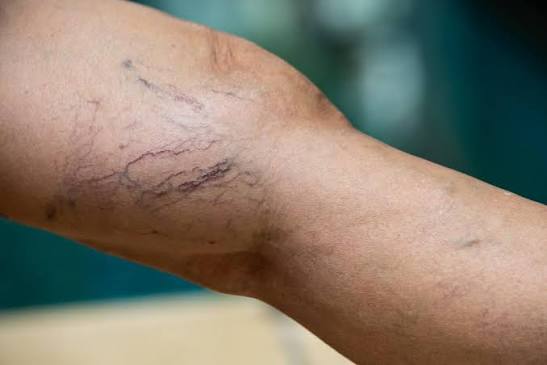
Spider veins are small, thin blood vessels just beneath the surface of the skin, and certain groups of people develop them more often than others. They look red, blue, or purple, and they typically appear on the legs or face. While they rarely cause serious health problems, some people notice aching, itching, or burning around them. Here is more information on who is at risk of developing spider veins:
Older Adults
As you age, the small valves inside your veins may weaken and stop working properly. Blood then pools in the vessels near the skin. The walls of these veins stretch over time, and thin, web-like lines start to show.
Skin also gets thinner with age, so the veins underneath become easier to see. When collagen levels drop over the years, your skin offers less cover for tiny vessels. Many older adults get new spider veins on their thighs, calves, or ankles.
Daily habits also play a role. If your job keeps you standing or sitting for hours, blood struggles to move back toward your heart. Short walks help your circulation, and raising your legs in the evening eases pressure on your veins.
Female Patients
Women are more likely to develop spider veins due to their physiology. Relaxed vein walls stretch more easily, and the valves inside them may not close fully. Family history adds to this risk.
Pregnancy brings its own set of changes. Blood volume may rise during pregnancy, and the growing uterus puts pressure on the veins in your legs. While some spider veins fade after delivery, others stay and may darken with later pregnancies. Your doctor may suggest compression stockings to ease swelling.
Hormonal Issues
Hormones affect vein health in both women and men, but shifts in estrogen and progesterone matter significantly. When these hormone levels change quickly, vein walls may weaken or widen. Typical triggers include the following:
- Puberty
- Pregnancy and the months after birth
- Birth control pills
- Hormone replacement therapy
- Menopause
If you take hormone-based medication, tell your provider before any vein treatment. Some of these medications raise the risk of blood clots. Your provider may review your health history, and they may adjust the timing of your treatment.
Regular Smokers
Smoking harms your blood vessels in several ways. When you smoke, nicotine narrows your blood vessels and raises your blood pressure. Chemicals in tobacco damage the inner lining of your veins, and this damage makes the walls less flexible. Over time, smoking may contribute to these problems:
- Poor blood flow in the legs
- Weaker vein walls and valves
- Thinner, less elastic skin
- Higher risk of blood clots
Address Spider Veins Near You
If you notice new spider veins, a consultation with a trained provider is a good first step. The provider will look at the affected area, and they will ask about your health history. Sclerotherapy uses a fine needle to inject a solution that closes off the damaged vein, while laser therapy targets smaller veins with focused light and requires no needles. Book a consultation with a local provider to discuss your options, recovery time, and aftercare.